Maths Friday 6th of March
Maths Thursday 5th of March
Maths Wednesday 4th of March
Maths Tuesday 3rd of March
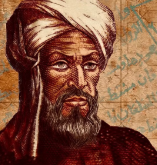
Muhammad ibn Musa al-Khwarizmi
What do you remember about Muhammad ibn Musa al-Khwarizmi from yesterday.
He wrote a book called Al-Jabr, which means ‘the restoring of broken parts. The book about solving puzzles with missing numbers
That word — Al-Jabr — is where we get the word algebra.
The Babylonians
Today we will go further back.
The Babylonians lived in what is now Iraq around 4,000 years ago, shortly after the Stone Age. They built one of the first great cities, Babylon, and became advanced in technology and maths. They also studied the stars, making early calendars. Their achievements show how people moved from simple farming communities into highly organized cities with governments and rich culture.
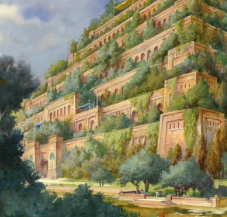
The Babylon (about 4,000 years ago!) were solving algebraic-style problems on clay tablets. They didn’t call it algebra.
They didn’t use symbols. But they were solving things like:
- “The area of a field is 60 square units. One side is 7 more than the other. What are the sides?”
That’s algebra — just without the letters.
The Symbols Came Much Later
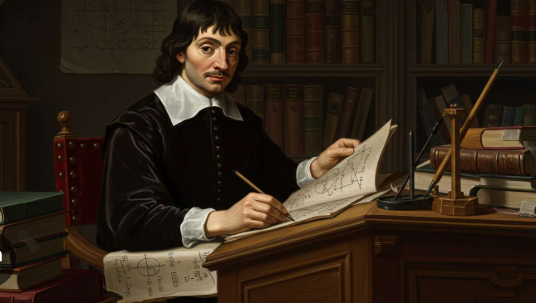
Rene Descarts
In the 1600s, he started using letters at the end of the alphabet (x, y, z) for unknown numbers
That’s why we still use x today.
“The reason we use x… is basically because a French philosopher decided to.”
Algebra Equations
2x + 5 = 13
algebra equations can be solved
Algebra Expressions
5x + 7
with algebra expressions you can plug in any number
Let’s look back on this Algebraic expression from yesterday.
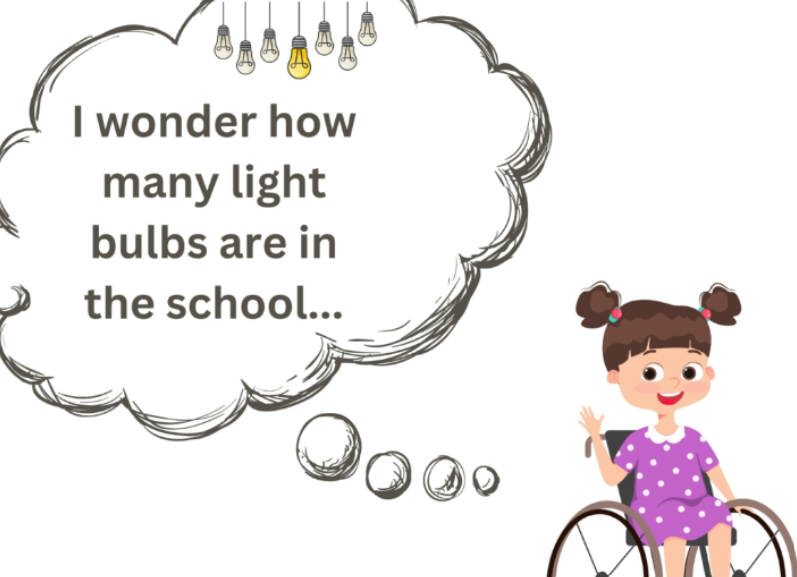
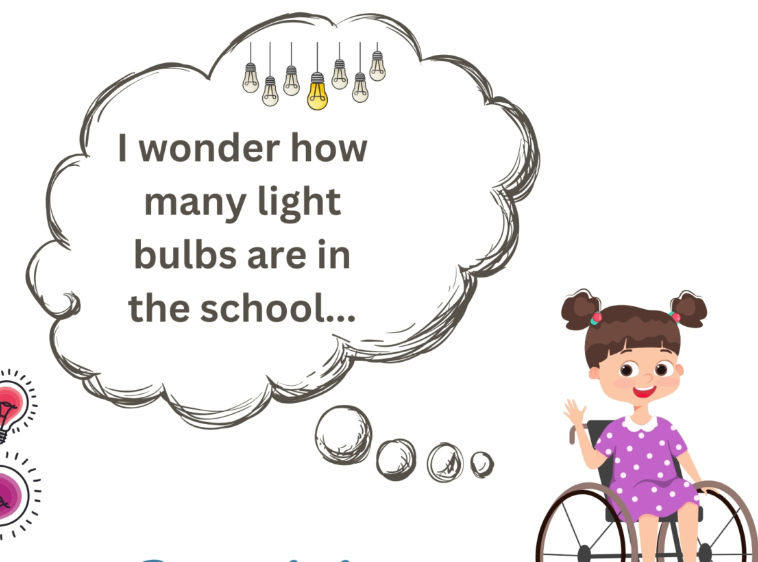
We looked at our classroom and we seen there are 10 lights here.
There are 14 classrooms in our school.
Extra Rooms (library, staffroom, support) is half the number of classroom with 5 lights in each.
Most schools in the country will have a similar layout regarding lights. The one difference between schools is the number of classrooms.
Can you come up with a general rule so that you can estimate the number of lights in a school if you know the amount of classrooms?
An Old Classic
“Think of a number. Double it. Add 6.
Divide by 2. Subtract your original number.”
The answer is always 3.
Then ask:
“How did I know that?”
That’s algebra — even if you didn’t see it.
Let’s create the algebra equation to match this old classic.
Growing patterns
What are we going to expect to see when we use growing patterns?
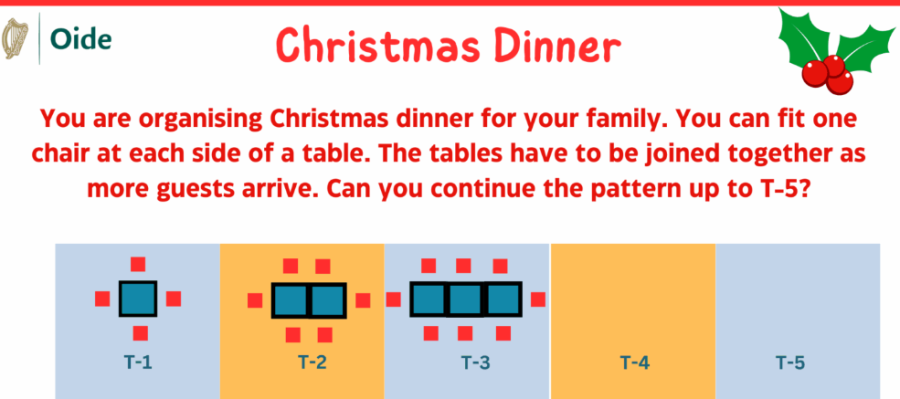
We looked at this problem yesterday.
What did we try to find out?
What stages did we go through?
What algebraic equation did we write?
If something works for every number — not just one number — that’s algebra.”
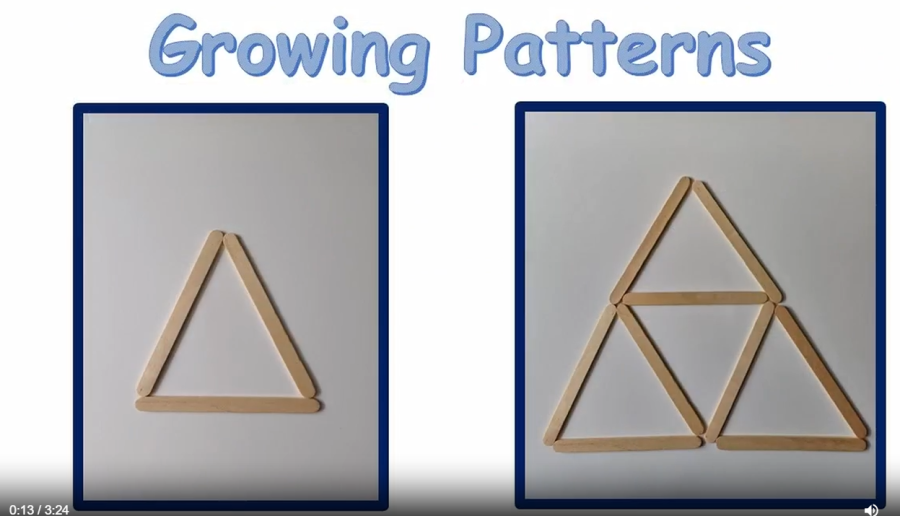
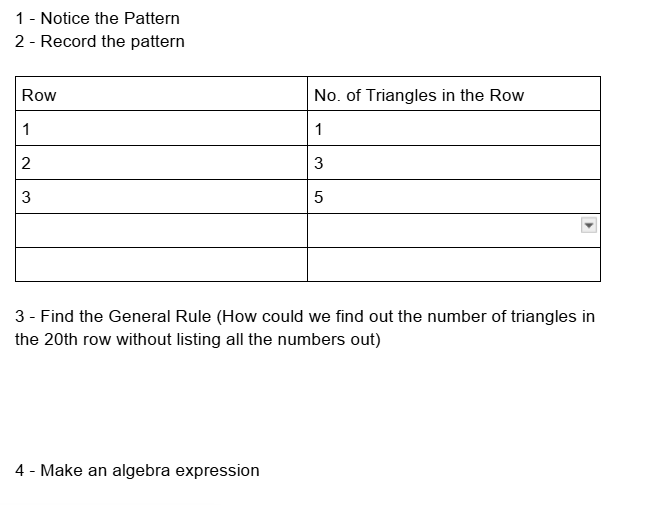
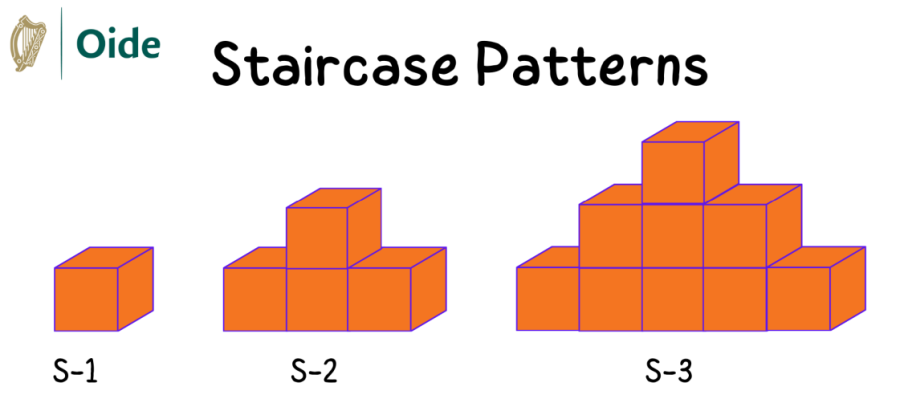
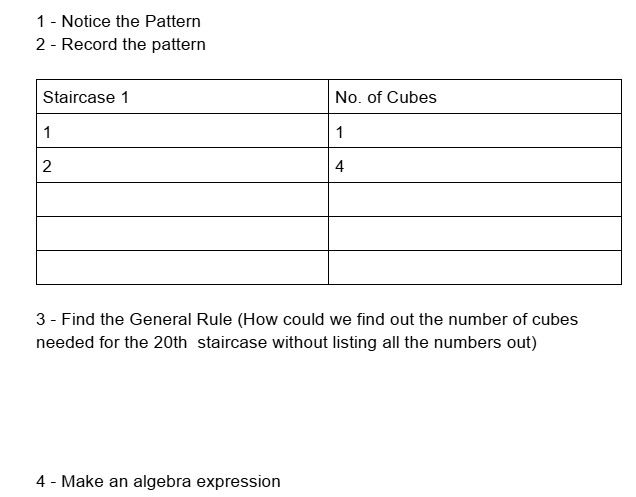

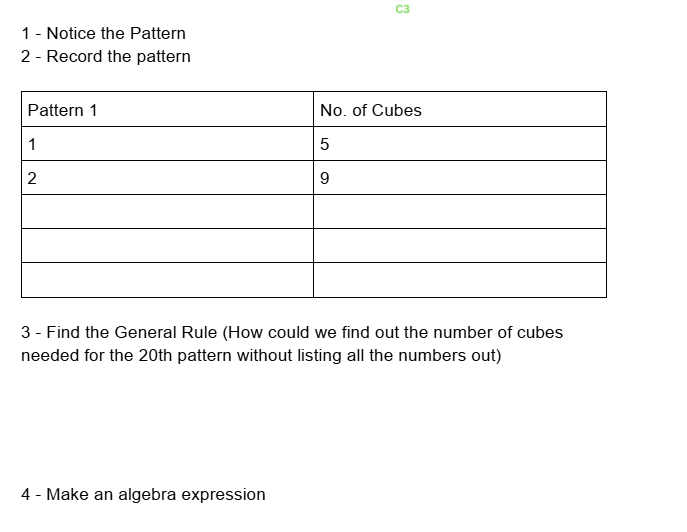
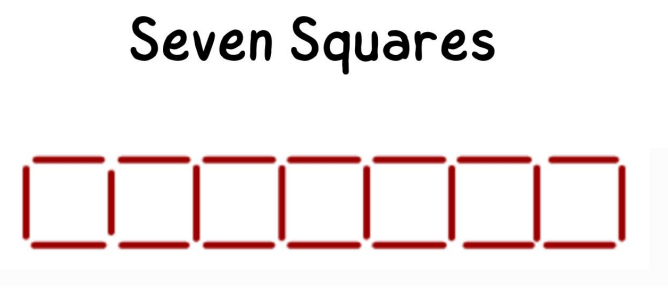
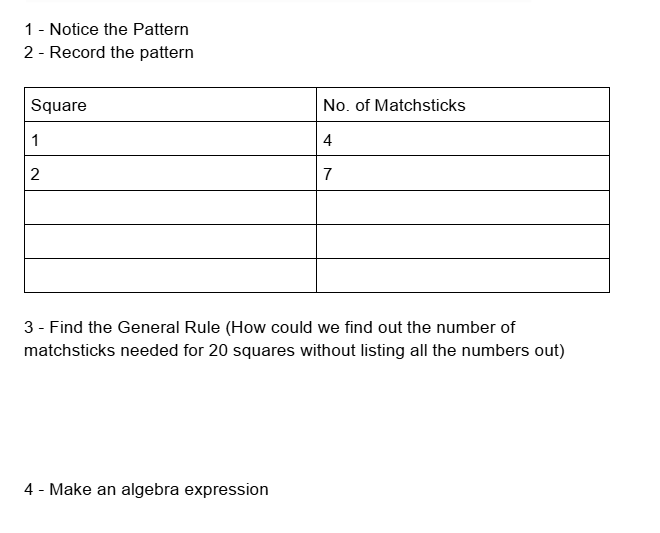
Let’s write more Algebraic Expressions
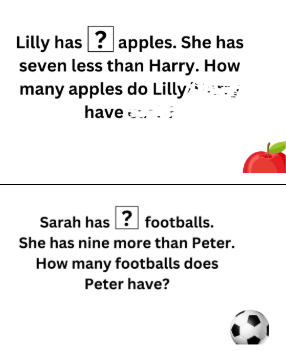
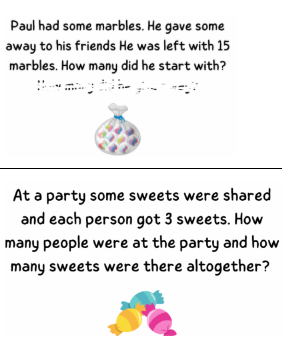
Extra
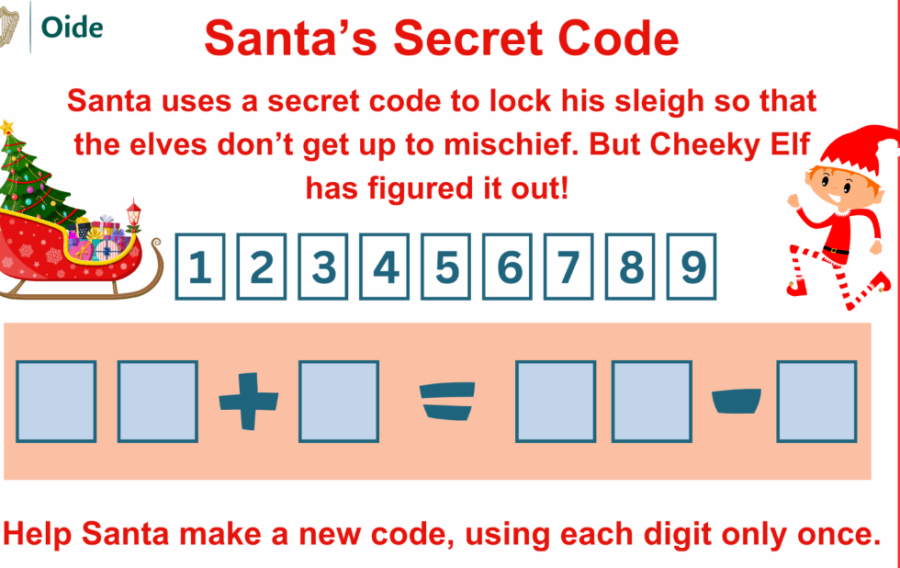
Maths Monday 2nd of March
The Man Who Gave Algebra Its Name
Muhammad ibn Musa al-Khwarizmi
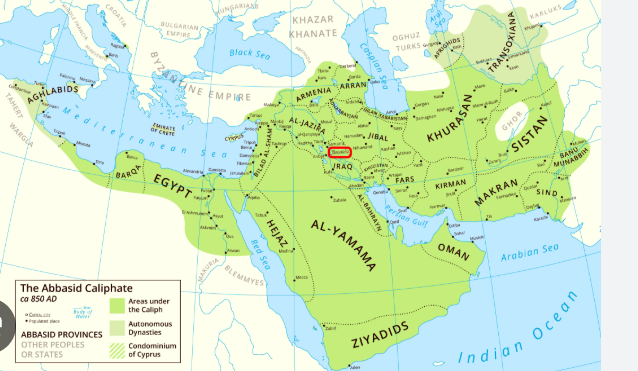
About 1,200 years ago, in a city called Baghdad, there was a mathematician who wrote a book about solving puzzles with missing numbers…”
He wrote a book called Al-Jabr, which means ‘the restoring of broken parts
That word — Al-Jabr — is where we get the word algebra.
We sometimes think that Algebra is about using x and y, Algebra isn’t really about using x and y — they are just letters.
- Muhammad ibn Musa al-Khwarizmi wasn’t using x and y.
- He solved problems using words.
- Problems like:
- “A number and 10 make 39. What is the number?” Which is basically: x + 10 = 39
You are about to do exactly what mathematicians were doing 1,200 years ago — solving mysteries with missing numbers.
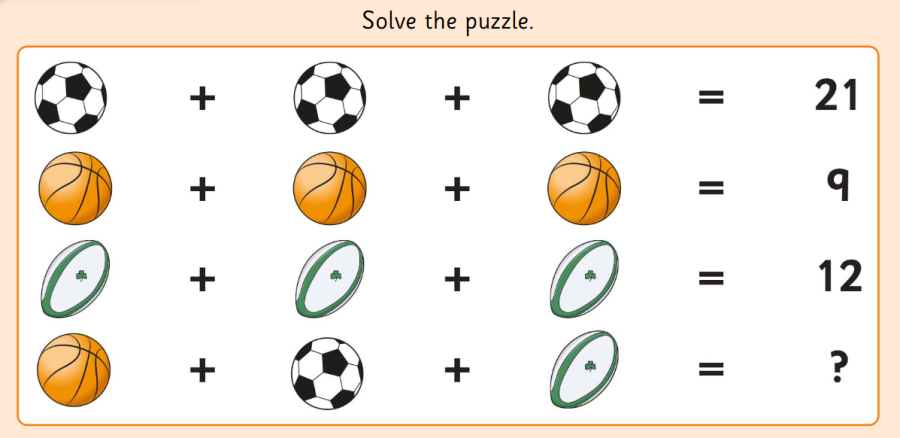
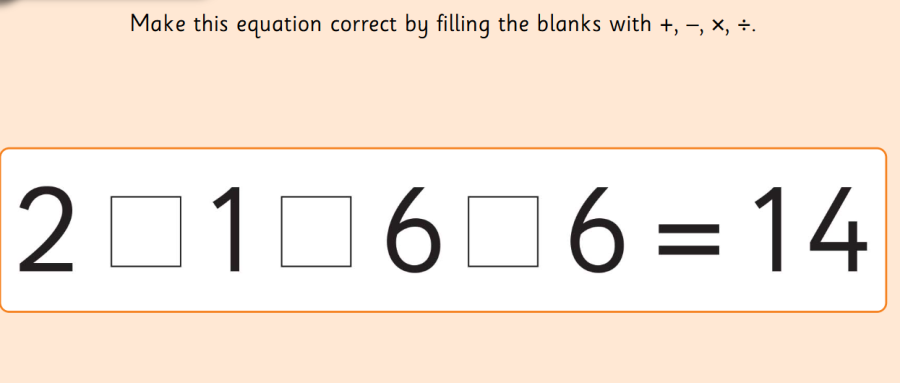
Let’s create an algebra equation
- Cookies at the Bakery
Lucy buys some cookies. She already has 2 cookies, and then she buys 2 more. Now she has 5 cookies in total. How many cookies did she start with?
Equation:
2 + x = 5.
- Money in the Piggy Bank
Nina had some money. She spent €4 and now has €9 left. How much money did she have originally?
Equation:
x−4=9
- Chocolates to Share
Liam has twice as many chocolates as his friend. Together, they have 12 chocolates. How many chocolates does Liam have?
Equation:
Let his friend have xxx chocolates → Liam has 2x → x+2x=12
Growing Patterns
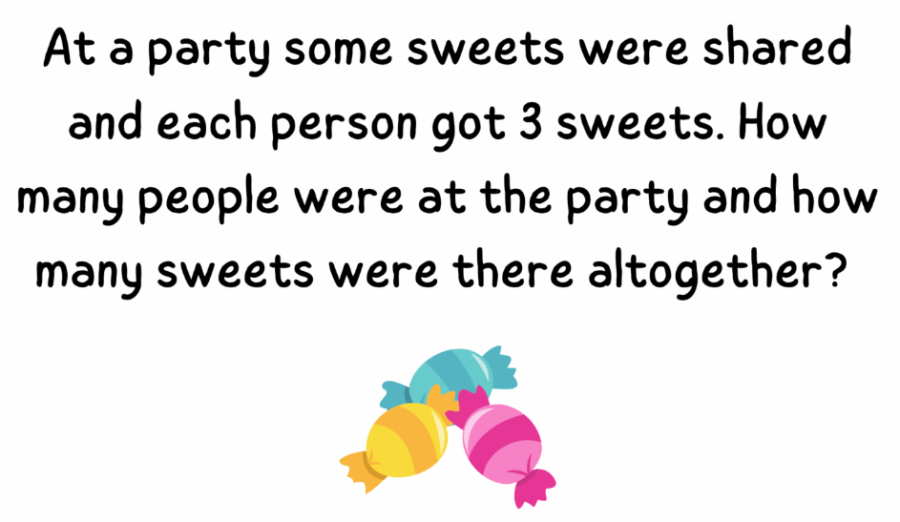
lets find a general rule
Let p = number of people at the party
Let s = total number of sweets
We know each person got 3 sweets
Lets find a general rule
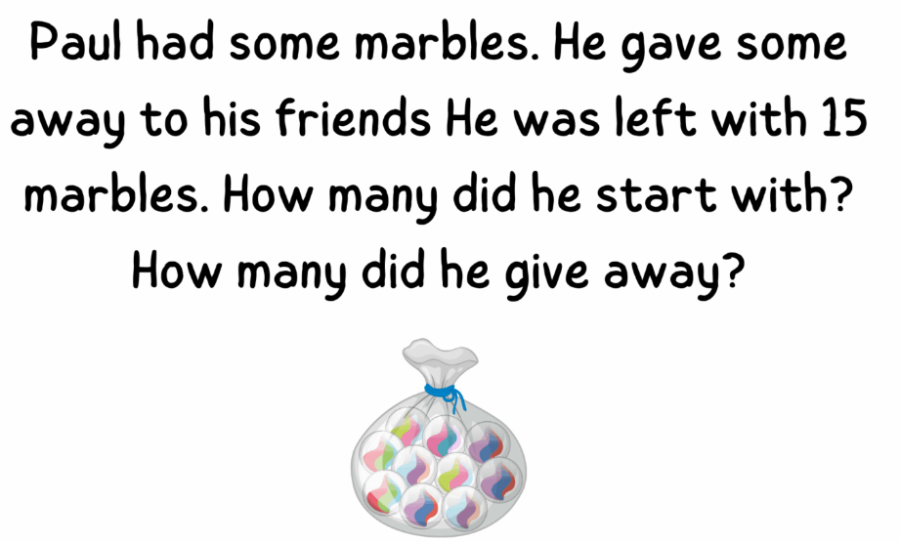
- Let s = starting number of marbles
- Let g = number of marbles given away
- 15 = number of marbles left